



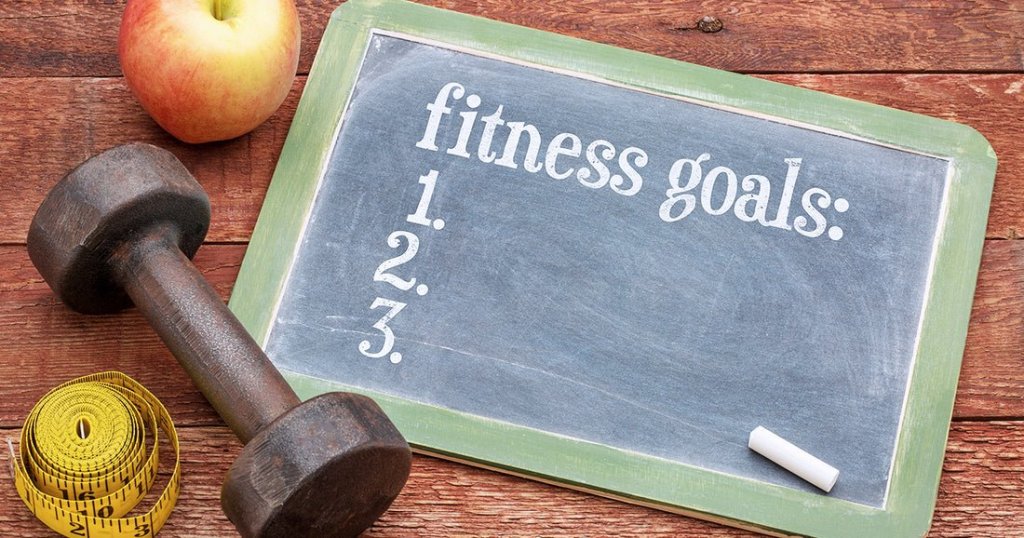
Embarking on a fitness journey can be an exhilarating experience, but it’s important to set realistic goals to ensure long-term success. Unrealistic expectations can lead to frustration and burnout, which may ultimately derail your progress. To help you on your path to a healthier lifestyle, we’ve compiled a list of essential tips for setting and achieving realistic fitness goals. By following these guidelines, you can optimize your chances of attaining sustainable results and maintain your motivation along the way.
1. Reflect on Your Current Fitness Level:
Before setting any fitness goals, take the time to assess your current fitness level. Consider factors such as your endurance, strength, flexibility, and overall health. Acknowledging your starting point will enable you to establish achievable milestones that are tailored to your specific needs and abilities.
2. Set Specific and Measurable Goals:
Vague goals like “getting in shape” or “losing weight” are difficult to track and quantify. Instead, set specific and measurable goals that you can track your progress against. For example, aim to run a 5K race within a certain timeframe or perform a certain number of push-ups. Having clear targets will give you something tangible to work towards and help you stay motivated.
3. Be Realistic and Time-Bound:
Setting realistic goals is crucial for avoiding disappointment. Consider your lifestyle, commitments, and the time you can realistically dedicate to exercise. Be honest with yourself about what you can achieve within a given timeframe. It’s better to set smaller, attainable goals and build upon them gradually. This approach will provide a sense of accomplishment and propel you forward.
4. Break Down Goals into Smaller Milestones:
Large goals can be overwhelming, and progress may seem slow at times. To stay motivated, break down your overarching goal into smaller, manageable milestones. Celebrating these mini-victories along the way will not only keep you motivated but also give you a sense of progress, reinforcing your determination to continue.
5. Make Your Goals Tangible:
While setting goals, focus on tangible aspects of fitness, such as improving your endurance, increasing your strength, or reducing your body fat percentage. These goals can be objectively measured and allow you to track your progress more effectively. Tangible goals also enable you to make adjustments and fine-tune your approach as needed.
6. Create A Planand Track Your Progress :
Develop a well-structured plan to help you reach your fitness goals. This plan should include a balanced exercise routine and a nutritious diet. Break your plan into manageable chunks, such as weekly or monthly targets. Tracking your progress regularly will help you stay accountable and make necessary adjustments to ensure you stay on track.
7. Seek Professional Guidance :
If you’re new to fitness or unsure about how to achieve your goals, consider seeking guidance from a fitness professional. They can provide expert advice, tailor workouts to your specific needs, and help you set realistic expectations. Working with a professional will not only enhance your results but also minimize the risk of injury.
8. Stay Consistent and Flexible :
Consistency is key when it comes to achieving fitness goals. Commit to a regular exercise routine and make it a non-negotiable part of your lifestyle. However, it’s also important to be flexible and adaptable. Life can throw curveballs, and you may face unexpected challenges. Embrace these moments as opportunities for growth, make adjustments when needed, and stay committed to your overall vision.

Conclusion :
Setting and achieving realistic fitness goals requires careful consideration, planning, and dedication. By reflecting on your current fitness level, setting specific and measurable goals, breaking them down into smaller milestones, and seeking professional guidance when needed, you can pave the way for success. Remember to remain consistent, flexible, and patient, as sustainable
 HANUM FITNESS
Leave a comment